

Returns solution
Receipt and booking control
Returned goods are received, logged, and matched against the original order or returns reference so the process starts with clear traceability.
Returns receiptOrder matchingSystem booking

Structured reverse logistics to recover stock value and maintain customer trust.
Trusted by Industry Leaders











Returns management should recover stock value faster, keep condition decisions consistent, and give your team clearer visibility over what happens next. This is the service structure built to do exactly that.
Returns solution
Returned goods are received, logged, and matched against the original order or returns reference so the process starts with clear traceability.
Returns solution
Items are inspected against agreed condition rules so grading stays consistent, resale decisions stay clearer, and policy drift is reduced.

Returns solution
Saleable inventory can be restocked quickly, while rework, quarantine, disposal, or review paths remain controlled and visible.

Returns solution
Customer reporting and coordination with client customer service teams keep return status, exceptions, and recovery outcomes easier to act on.
A strong returns process should shorten refund timelines, recover saleable stock faster, and give your team cleaner visibility into what is coming back and why.
When returns are processed with pace and discipline, customer teams get clearer answers, saleable stock gets back into circulation sooner, and operational drag does not build quietly in the background.
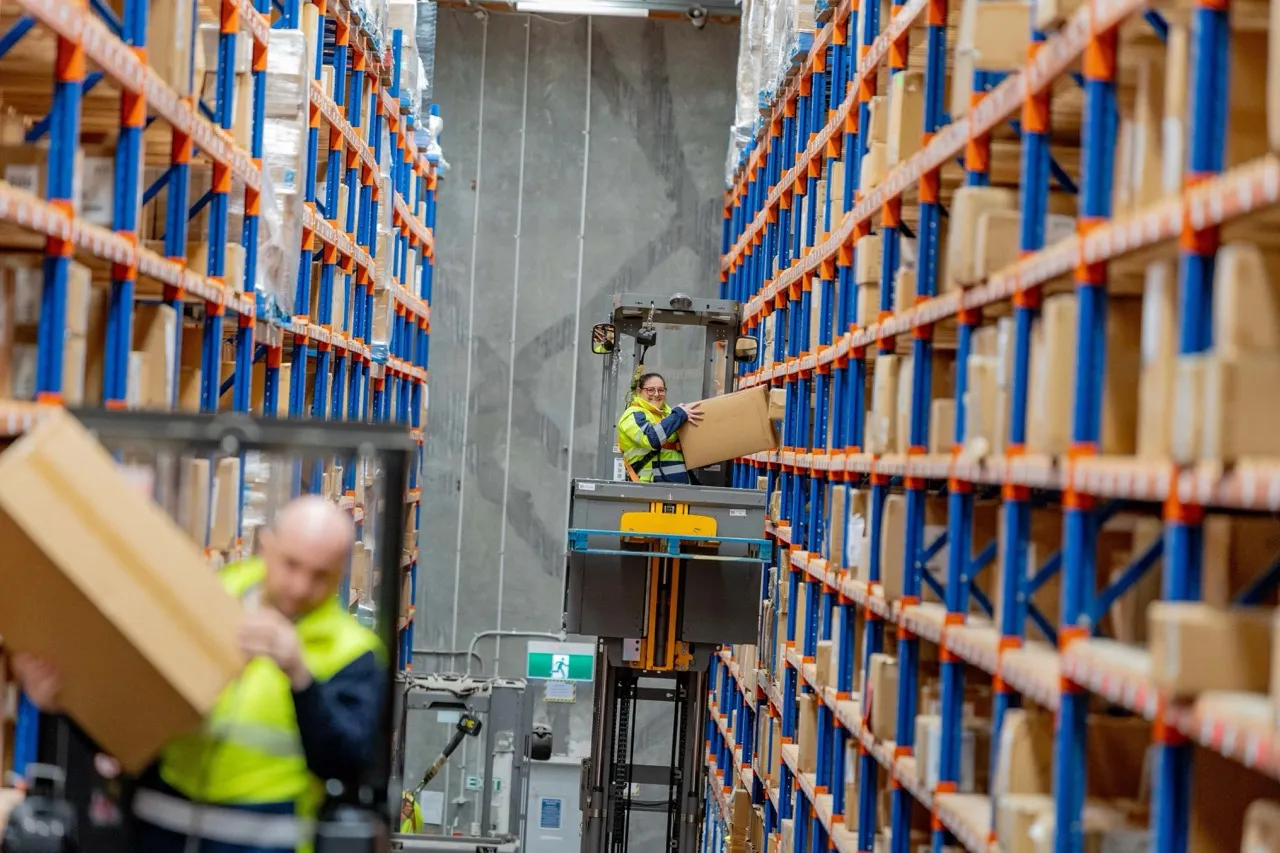
Operational pace
Clear intake, grading, and system updates stop returns sitting idle in the warehouse and distorting stock accuracy.
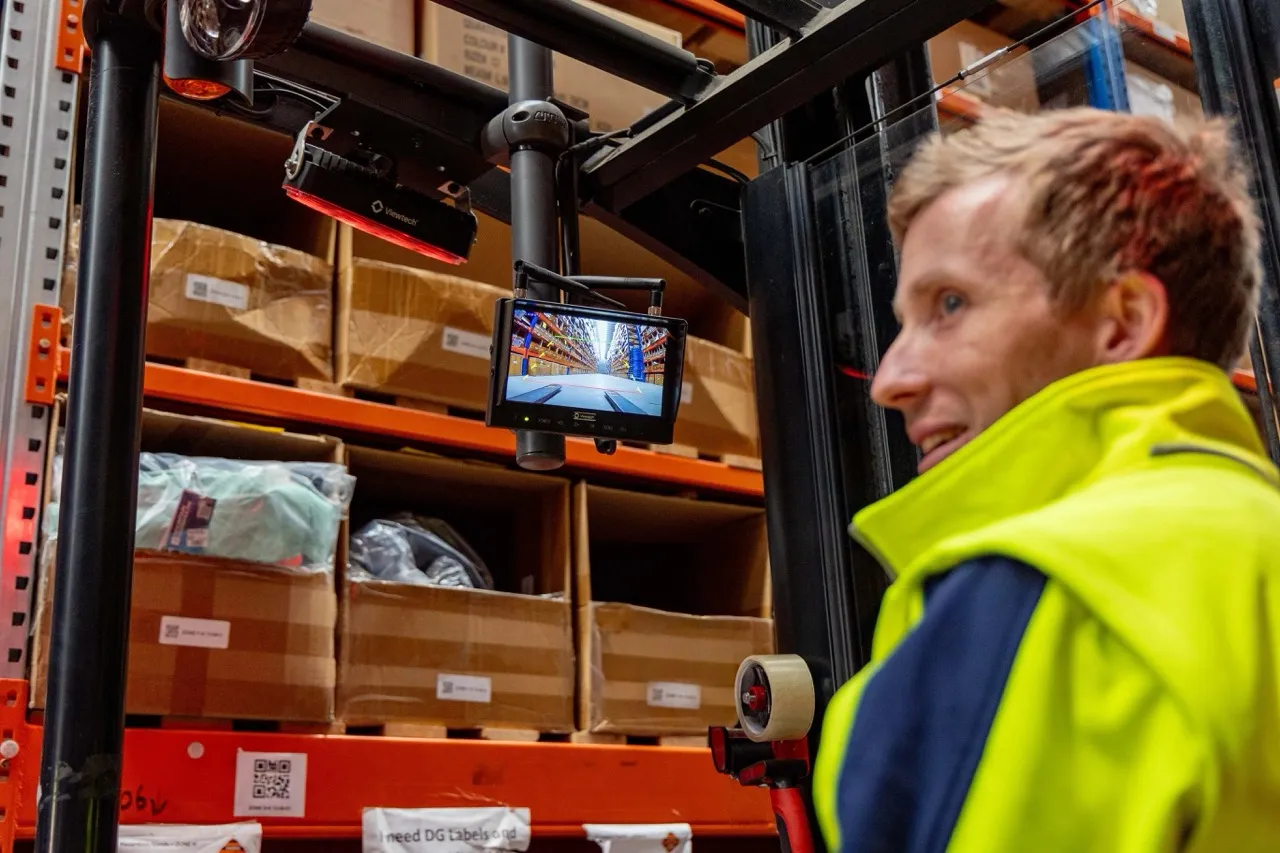
Stock recovery
Disciplined handling protects resale opportunities and keeps saleable inventory moving rather than waiting in quarantine by default.
Return cycle time
Reduce delays between goods arriving back in the warehouse, condition checks being completed, and the next action being confirmed.
Stock recovery rate
Move viable stock back towards available inventory quickly, before resale value is lost through delay or poor handling.
Inventory accuracy
Keep grading outcomes, stock status, and system updates aligned so inventory reporting remains more dependable.
Customer satisfaction
Give your customer team quicker answers and more predictable timelines when returned goods are processed with discipline.
Returns buyers are looking for faster stock recovery, clearer visibility, and less operational drag. The wider network matters because control breaks down quickly when returns are handled without disciplined infrastructure behind them.
Annual Orders
Inventory Accuracy
NPS
Warehousing Capacity
Fulfilment Centres
System Integrations
NZ Owned
Established
Industry Experience
Dedicated Team
We plug directly into your existing tech stack. Whether you run on Shopify, NetSuite, or a custom build, our systems shake hands with yours instantly.


Active Connectors

From returned-item receipt through to the final stock decision, every step should feel structured, visible, and commercially controlled.
Exceptions, damaged items, or policy-specific cases are isolated for controlled review rather than blending back into available stock.
Saleable inventory can move back towards stock quickly, while rework decisions stay visible and tied to agreed handling rules.
Faster stock recovery
Clearer status visibility
More consistent grading decisions
This section outlines how condition decisions can be framed, so resale value, compliance, and customer policy are aligned before volume starts moving.
Grading path check
Set the checks and confirm the handling route.
Sellable condition?
Policy compliant?
Rework possible?
Restock — return it to available inventory.
Restock
01
Sellable condition, complete, and ready to return to available inventory.
02
Items needing relabelling, repacking, or a client-specific decision before release.
03
Unsellable, damaged, or policy-excluded stock separated from available inventory.
The reporting layer should make it easy to see where returns are in the process, what stock can be recovered, and which cases need action from your team.
Live visibility feed
Inbound receipt has been logged against the correct order and item reference.
Saleable condition confirmed and handling route recorded for the warehouse team.
Units approved for return to available inventory with status updated in the system.
The customer team can see the return outcome and respond without chasing warehouse updates.
A recurring returns reason has been surfaced so packaging, fulfilment, or product issues can be reviewed upstream.
The point is simple: customer service, warehouse teams, and client stakeholders should be looking at the same return status, without relying on manual follow-up.
The reassurance buyers want here is simple: condition grading is consistent, decisions are not delayed, and resale value is protected by clear operational ownership.
Control signals
Grading control
Inspection criteria, resale rules, and exception handling are defined up front so returned stock is not left waiting on interpretation.
Processing pace
That protects refund speed, reduces warehouse friction, and stops saleable stock sitting idle while value drops.
System visibility
Warehouse, client, and customer-service decisions remain aligned because stock updates, notes, and handling routes are recorded clearly.
Returns onboarding should define policy, grading logic, workflows, and reporting clearly before volume builds. That is what makes the service predictable from the start.
Returns onboarding is structured in stages, with timing shaped by policy complexity, reporting requirements, and workflow variation.
Onboarding timeline board
Stage milestones
Stage 1
Stage 2
Stage 3
Stage 4
Returns policy and grading alignment
We agree return reasons, grading criteria, handling rules, and exception paths before live volume starts moving.
System workflow and status mapping
Inventory statuses, notes, reporting fields, and escalation points are configured so return outcomes stay visible and consistent.
Operational scenario testing
We run through example return cases to confirm receipt, grading, review, quarantine, and restock logic before launch.
Go-live with reporting rhythm
Returns operations begin with agreed reporting in place, so backlog risk, recovery rates, and policy exceptions are visible early.
Estimate where operational friction is costing you and what tighter process control can recover across service, speed, and margin.
Mia Thompson· Client Success Lead
Hi, I’m Mia Thompson from Online Distribution. I can help you assess returns operations quickly and clearly. Pick a question below and I’ll give you a practical answer.
These answers focus on processing speed, stock recovery, visibility, and the control standards needed to stop returns becoming a drain on the operation.
Returns buyers usually ask this first because slow processing creates refund pressure and stock delays. The service is designed around structured intake, inspection, grading, system updates, and rapid routing of saleable versus non-saleable stock.
With strategically located fulfilment centres across Auckland and Christchurch, we run a national 3PL network that puts inventory closer to customers and keeps service levels predictable.
Head Office
National Support Office
306 Port Hills Road, Hillsborough, Christchurch

A scoped plan in one call.
We align volumes, cut-offs, and integrations, then define the controls that protect service at peak.